
Key takeaways
- Coffee stains are mostly surface stains, so gentle habits can help a lot.
- The best “natural” fixes are brushing right, flossing daily, and rinsing after coffee.
- Baking soda can help sometimes, but too much can scratch enamel—use it sparingly.
- Skip harsh DIY tricks (like lemon, vinegar, or heavy scrubbing). They can make stains worse long-term.
- If stains don’t budge, a dentist cleaning is the fastest reset.
Quick answer
To naturally fade coffee stains, focus on daily plaque removal (brush + floss), rinse with water right after coffee, wait 30 minutes before brushing, and use a gentle whitening option like a baking soda paste once a week (not daily). Prevention is half the battle.
Why Coffee Stains Stick So Well
Coffee has dark pigments that cling to a sticky film on teeth called plaque. If plaque sits there, stains grab on like Velcro.
So the goal is simple:
- Remove plaque
- Reduce stain contact time
- Avoid damaging enamel (because rough enamel stains faster)
Natural Ways to Remove Coffee Stains From Teeth
These are the safest, most helpful options you can do at home.
Rinse with water right after coffee
This is the easiest win.
- Swish plain water for 10–15 seconds
- Drink a few gulps after your last sip of coffee
Why it works: it dilutes the stain stuff before it sticks.
Wait 30 minutes before brushing
Coffee is acidic. Brushing right away can push softened enamel around.
Try this:
- Finish coffee
- Rinse with water
- Wait 30 minutes
- Then brush
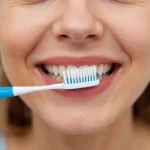
Brush gently but thoroughly (2 minutes, twice a day)
This sounds boring—until you realize it’s the main thing that works.
- Use a soft toothbrush
- Angle bristles toward the gumline
- Tiny circles, not angry scrubbing
If you’re not sure you’re doing it long enough, set a timer. (Yes, I hate this too. It helps.)
Floss daily (coffee stains love between teeth)
A lot of “my teeth look yellow” is actually “my teeth have plaque between them.”
Quick floss tip:
- Slide floss down gently
- Make a C-shape around the tooth
- Move up/down a few times
- Repeat
Chew sugar-free gum after coffee
If you can’t brush, gum is a solid backup.
- It boosts saliva (your mouth’s natural rinse)
- It helps wash away stain particles
Eat crunchy “scrubber” foods sometimes
Not magic—but helpful.
- Apples
- Carrots
- Celery
They can lightly rub the tooth surface and increase saliva.
Use baking soda carefully (the “natural whitening” tool)
Baking soda can lift surface stains because it’s mildly abrasive.
Safe-ish method (once a week, not daily):
- Mix ½ teaspoon baking soda with a few drops of water to make a paste
- Brush lightly for 30–60 seconds
- Rinse well
- Go back to regular toothpaste the rest of the week
Don’t do this if:
- Your teeth are already sensitive
- You have thin enamel
- Your dentist told you to avoid abrasives
Try a “whitening” routine that stays gentle
Here’s a simple weekly plan that’s easy to stick to:
- Daily: brush + floss + water rinse after coffee
- Weekly: baking soda paste once
- Monthly: replace your toothbrush head (old bristles clean worse)
Natural Options Compared
| Method | Helps with surface stains? | Best for | Watch out |
|---|---|---|---|
| Water rinse after coffee | Yes | Prevention | None |
| Brush + floss daily | Yes (big time) | Removing plaque + stains | Don’t scrub too hard |
| Wait 30 min before brushing | Indirectly | Protecting enamel | Don’t forget to brush later |
| Sugar-free gum | Some | When you can’t brush | Avoid if jaw issues |
| Crunchy fruits/veg | A little | Extra help | Not a replacement for brushing |
| Baking soda (weekly) | Yes | Stubborn surface stains | Overuse can wear enamel |
“Natural” Methods to Avoid (They Can Damage Teeth)
Some internet tips are basically “how to make your teeth worse, faster.”
Don’t use lemon or vinegar
They’re acidic and can soften enamel, which makes staining easier later.
Don’t scrub with charcoal
Charcoal can be too abrasive and may roughen enamel. Rough enamel holds stains more.
Don’t DIY hydrogen peroxide rinses without guidance
It can irritate gums and isn’t “natural” in the way most people mean. Also easy to overdo.
Don’t brush harder to “scrub stains off”
Hard brushing can wear enamel and irritate gums—then you get sensitivity and stains.
How to Prevent Coffee Stains (So You Don’t Fight This Forever)
If you drink coffee daily, prevention makes the biggest difference:
- Drink coffee with meals (more saliva, less stain time)
- Use a straw for iced coffee (less contact with front teeth)
- Add milk (lightens pigments a bit)
- Finish with water
- Keep up with regular dental cleanings
When “Natural” Isn’t Enough
If stains are older or deeper, at-home habits may only improve things a little.
Consider a dentist visit if:
- Your teeth still look stained after 4–6 weeks of good habits
- You have sensitivity, chips, or lots of tartar buildup
- You want faster results (professional cleaning/whitening works much quicker)
Frequently asked questions
You can reduce them a bit by cleaning plaque, but true stain fading usually takes days to weeks.
It can be okay in small amounts and not too often. Overuse can wear enamel.
Often it’s:
Stains trapped in plaque between teeth (floss helps)
Natural tooth color (enamel is slightly see-through)
Deep stains that need professional help
It may help mouth freshness for some people, but it’s not a reliable stain remover compared to brushing and flossing.
Summary
The most natural way to remove coffee stains is to keep teeth super clean and reduce how long coffee sits on them. Rinse after coffee, brush gently (after waiting 30 minutes), floss daily, and use baking soda sparingly if you want an extra boost. Skip harsh DIY acids and abrasive scrubs—they can damage enamel and make staining worse over time.
If you want, tell me whether your stains are mostly on the front teeth or between teeth—and whether you have sensitivity—and I’ll tailor a simple routine for you.